Oven Takes Too Long to Preheat: Heating, Sensor, and Power Clues
Preheat time depends on cavity size, starting temperature, fuel type, selected mode, voltage, and how the manufacturer defines “ready.” A gradual change from the oven’s usual performance is more useful than comparison with a different appliance. When the preheat tone arrives late, food takes longer, or one mode behaves differently, the pattern can point toward heat production, sensing, power, airflow, or door-sealing concerns.
For homeowners searching for oven takes too long to preheat repair, the safest and fastest way to make the next conversation useful is to preserve the operating sequence. Record the mode, the last completed action, the sound or display, and any water, heat, odor, or power change. Do not create a second failure just to collect a video. For related service details, see oven repair.

Establish a repeatable baseline
Time preheat from a cold oven using the same set temperature, rack position, and mode on more than one occasion. In Macomb County homes, the same outward symptom can come from installation conditions, normal operating logic, wear, or a component that no longer responds consistently. Note what happens immediately before and after the symptom instead of relying on a single sound or display.
Keep the door closed and avoid placing food in the cavity during the comparison. Consistent conditions distinguish a real slowdown from differences caused by loading or recent use. That distinction matters because replacing a part before confirming the failed function can leave the original problem unchanged and add avoidable cost.
Electric ovens may lose one heat source
Some models use both bake and broil elements during preheat even though normal baking relies mainly on one. The pattern becomes clearer when the selected mode, elapsed time, load, and surrounding conditions are held constant. A change that repeats at the same transition carries more diagnostic weight than a one-time interruption after a power flicker or unusual load.
Do not touch elements or remove covers to watch hidden components. During professional diagnosis, resistance, current, relay output, wiring, and voltage under load reveal whether each heat path contributes. The aim is to connect the command, the component response, and the result the appliance was supposed to produce.
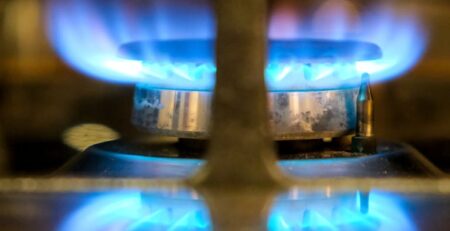
Gas ignition can weaken before it stops
An igniter may glow yet take longer to open the safety valve, delaying burner ignition during each cycle. Before changing settings, write down what the appliance was doing and preserve any display message. Heat, vibration, water, and electrical load can make an intermittent connection or protective device behave normally again after the appliance rests.
Never light the oven burner manually and stop for delayed ignition, unusual flame, or gas odor. A focused evaluation asks whether igniter current, valve response, burner condition, and control timing must be checked as a system. Evidence gathered in sequence is more reliable than a visual guess made after the appliance has been reset.
Temperature sensors influence the ready signal
A biased sensor can make the control believe the cavity is warmer or cooler than it is. Compare the current behavior with the appliance’s own normal pattern rather than a different model in another home. Control strategies and safety checks vary, even between units that look nearly identical.
Measure actual temperature with an oven-safe thermometer before changing calibration. For oven takes too long to preheat repair, the diagnostic path is guided by this principle: sensor resistance, placement, connections, and the control’s interpretation separate calibration from component failure. A confirmed cause should explain both the symptom and the stage where normal operation stopped.
A safe homeowner checklist
- Time a cold preheat under consistent conditions.
- Record fuel type, mode, set temperature, and ambient room temperature.
- Use an oven-safe thermometer without frequent door opening.
- Note whether bake, convection, and broil behave differently.
- Do not manually ignite burners or access high-voltage connections.
For “Oven Takes Too Long to Preheat: Heating, Sensor, and Power Clues,” this checklist preserves useful evidence and reduces risk. It is not a substitute for opening panels, testing energized circuits, handling gas components, or moving a connected appliance. If the situation includes smoke, flame, suspected gas, standing water around electricity, or another immediate hazard, use the appropriate emergency or utility resource before arranging appliance service.

Power supply matters under load
An electric oven can have lights and controls while a supply issue prevents full heating power. In Macomb County homes, the same outward symptom can come from installation conditions, normal operating logic, wear, or a component that no longer responds consistently. Note what happens immediately before and after the symptom instead of relying on a single sound or display.
Do not open receptacles, junction boxes, or breaker panels. A qualified measurement under load can distinguish an appliance heat fault from an electrical supply condition. That distinction matters because replacing a part before confirming the failed function can leave the original problem unchanged and add avoidable cost.
Door opening and gasket loss
Each door opening releases heat, while a damaged gasket or hinge can leak continuously. The pattern becomes clearer when the selected mode, elapsed time, load, and surrounding conditions are held constant. A change that repeats at the same transition carries more diagnostic weight than a one-time interruption after a power flicker or unusual load.
Inspect the cool gasket for obvious gaps and verify that cookware or foil is not preventing closure. During professional diagnosis, door alignment and sealing are evaluated alongside heater performance because both affect recovery time. The aim is to connect the command, the component response, and the result the appliance was supposed to produce.
Convection and rapid-preheat modes differ
Fans, mode logic, and rack guidance can change timing and temperature behavior. Before changing settings, write down what the appliance was doing and preserve any display message. Heat, vibration, water, and electrical load can make an intermittent connection or protective device behave normally again after the appliance rests.
Record the exact mode instead of describing every setting as bake. A focused evaluation asks whether a fan problem may affect convection performance without producing the same symptom in conventional bake. Evidence gathered in sequence is more reliable than a visual guess made after the appliance has been reset.
Signs that warrant diagnosis
A major increase from normal, raw food, repeated ignition attempts, electrical odor, error codes, or missing heat from one mode deserves evaluation. Compare the current behavior with the appliance’s own normal pattern rather than a different model in another home. Control strategies and safety checks vary, even between units that look nearly identical.
Stop immediately for gas odor, smoke, sparks, uncontrolled heat, or a breaker that trips again. For oven takes too long to preheat repair, the diagnostic path is guided by this principle: a measured preheat pattern guides testing without assuming one universal target time. A confirmed cause should explain both the symptom and the stage where normal operation stopped.
Questions homeowners often ask
How many minutes should preheating take?
There is no single correct time for every oven. Model design, cavity, fuel, voltage, starting temperature, and mode all matter. This answer is general guidance; the exact model, installation, and observed condition still determine the correct repair path.
Does the preheat tone mean the whole oven is evenly hot?
Not always. The sensor area may reach the target before racks, walls, and cookware stabilize. This answer is general guidance; the exact model, installation, and observed condition still determine the correct repair path.
Can a bad element still glow?
An element’s appearance alone is not enough. Electrical performance, connections, control output, and heating contribution must be measured. This answer is general guidance; the exact model, installation, and observed condition still determine the correct repair path.
Prepare for a focused repair visit
Before requesting help with oven takes too long to preheat repair, have the complete model and serial information, symptom timeline, and any photographs ready. Clear a reasonable path to the appliance, but leave gas, water, vent, mounting, and electrical connections in place. Mention any breaker trip, gas odor, leak, scorching, unusual heat, or earlier unsafe behavior before anyone attempts to operate the unit.
Related local resources for “Oven Takes Too Long to Preheat: Heating, Sensor, and Power Clues” include oven repair, appliance repair, Macomb Appliance Repair. These pages define the relevant service paths without changing the need for diagnosis on the individual appliance.
Homeowners can also review appliance repair. For “Oven Takes Too Long to Preheat: Heating, Sensor, and Power Clues,” Macomb Appliance Repair can use the details you collected to begin with the correct symptom family and then verify the cause on the appliance. Call 586-850-2828 to discuss an appointment in the verified service area.