Winter Refrigerator Problems in Michigan Homes: What Changes as Temperatures Drop
Southeast Michigan’s transition from mild fall weather to freezing nights changes the conditions around a refrigerator, especially in garages, mudrooms, and rooms near exterior walls. A kitchen refrigerator operates in a relatively controlled space. A second refrigerator in an unheated area may see air temperatures far outside the range its controls were designed to expect. When cooling, freezing, condensation, or cycling changes with the weather, the room around the appliance becomes part of the diagnosis.
For homeowners searching for winter refrigerator repair in Macomb County, the safest and fastest way to make the next conversation useful is to preserve the operating sequence. Record the mode, the last completed action, the sound or display, and any water, heat, odor, or power change. Do not create a second failure just to collect a video. Homeowners can also review Macomb Appliance Repair.
Kitchen units and garage units behave differently
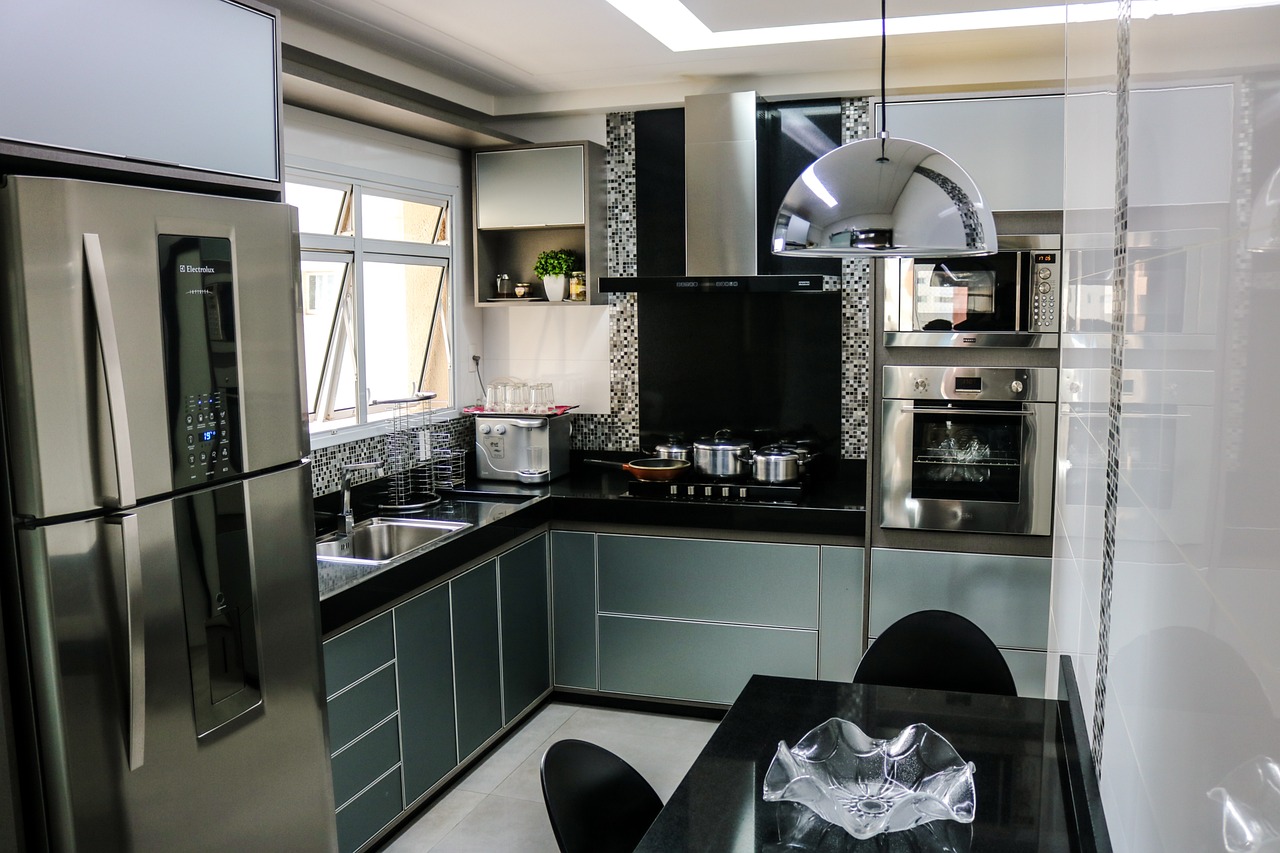
Indoor kitchen temperatures usually stay inside a predictable comfort range, while garages can swing widely between afternoon sun and overnight cold. The pattern becomes clearer when the selected mode, elapsed time, load, and surrounding conditions are held constant. A change that repeats at the same transition carries more diagnostic weight than a one-time interruption after a power flicker or unusual load.
Record the room temperature near the appliance as well as the fresh-food and freezer temperatures; do not assume outdoor temperature equals the air around the cabinet. During professional diagnosis, ambient temperature affects thermostat response, compressor run time, refrigerant pressures, defrost behavior, and how often doors or seals collect moisture. The aim is to connect the command, the component response, and the result the appliance was supposed to produce.
Why cold air can reduce normal cycling
A refrigerator control may sense that the fresh-food section is already cold and call for less compressor operation even though the freezer still needs active cooling. Before changing settings, write down what the appliance was doing and preserve any display message. Heat, vibration, water, and electrical load can make an intermittent connection or protective device behave normally again after the appliance rests.
Avoid forcing operation with improvised heaters, bypasses, or control adjustments not described by the manufacturer. A focused evaluation asks whether model design matters because some units have separate sensing and control strategies while others depend more heavily on one compartment’s temperature. Evidence gathered in sequence is more reliable than a visual guess made after the appliance has been reset.
A freezer can warm during cold weather
It sounds contradictory, but reduced compressor run time can leave frozen food softer in some garage installations. Compare the current behavior with the appliance’s own normal pattern rather than a different model in another home. Control strategies and safety checks vary, even between units that look nearly identical.
Use an appliance thermometer and assess food safety promptly. Do not judge freezer temperature only by ice cubes or the feel of a package. For winter refrigerator repair in Macomb County, the diagnostic path is guided by this principle: a technician will distinguish an ambient-condition problem from sealed-system, airflow, fan, sensor, control, or defrost faults. A confirmed cause should explain both the symptom and the stage where normal operation stopped.
Door gaskets stiffen and collect moisture
Cooler, drier weather inside the home and temperature differences near exterior walls can change condensation patterns around doors. In Macomb County homes, the same outward symptom can come from installation conditions, normal operating logic, wear, or a component that no longer responds consistently. Note what happens immediately before and after the symptom instead of relying on a single sound or display.
Clean contact surfaces gently and check whether a package or drawer prevents full closure. Do not use heat guns or pry a stiff gasket. Gasket fit, hinge alignment, cabinet level, mullion condition, and warm-air entry all influence frost and moisture. That distinction matters because replacing a part before confirming the failed function can leave the original problem unchanged and add avoidable cost.
A safe homeowner checklist
- Note whether the refrigerator is in a heated kitchen, garage, basement, or other variable-temperature area.
- Measure compartment and room temperature with suitable thermometers.
- Check for blocked interior vents and exterior clearance without moving the appliance unsafely.
- Inspect door closure for packages, shelves, or drawers that interfere.
- Protect perishable food when safe holding temperature cannot be confirmed.
For “Winter Refrigerator Problems in Michigan Homes: What Changes as Temperatures Drop,” this checklist preserves useful evidence and reduces risk. It is not a substitute for opening panels, testing energized circuits, handling gas components, or moving a connected appliance. If the situation includes smoke, flame, suspected gas, standing water around electricity, or another immediate hazard, use the appropriate emergency or utility resource before arranging appliance service.

Long cycles and short cycles need context
A long run after groceries are loaded is different from continuous operation with rising temperature. Brief starts followed by silence are also different from normal pauses. The pattern becomes clearer when the selected mode, elapsed time, load, and surrounding conditions are held constant. A change that repeats at the same transition carries more diagnostic weight than a one-time interruption after a power flicker or unusual load.
Write down approximate on-and-off intervals and whether fans, lights, or controls remain active. During professional diagnosis, cycling evidence helps separate demand, blocked airflow, dirty heat-exchange surfaces, control decisions, start components, and compressor protection events. The aim is to connect the command, the component response, and the result the appliance was supposed to produce.
Airflow around the cabinet still matters
Closing windows and moving seasonal items can unintentionally block base grilles, rear clearances, or interior vents. Before changing settings, write down what the appliance was doing and preserve any display message. Heat, vibration, water, and electrical load can make an intermittent connection or protective device behave normally again after the appliance rests.
Keep vents clear and preserve the spacing described for the appliance. Do not pull a built-in or heavy refrigerator out without a safe plan. A focused evaluation asks whether restricted condenser or compartment airflow can imitate temperature-control faults and make other components work harder. Evidence gathered in sequence is more reliable than a visual guess made after the appliance has been reset.
Temperature records are more useful than impressions
A drink that feels cool does not show whether the compartment stayed within a safe range overnight. Compare the current behavior with the appliance’s own normal pattern rather than a different model in another home. Control strategies and safety checks vary, even between units that look nearly identical.
Take readings in the center of each compartment over several hours while minimizing door openings, and note recent loading or power interruptions. For winter refrigerator repair in Macomb County, the diagnostic path is guided by this principle: trend data lets diagnosis begin with actual performance rather than one moment after a door has been opened. A confirmed cause should explain both the symptom and the stage where normal operation stopped.
When changing weather is not the whole answer
If a kitchen refrigerator warms, leaks, frosts heavily, runs constantly, or produces new noises, seasonal timing may be coincidence rather than cause. In Macomb County homes, the same outward symptom can come from installation conditions, normal operating logic, wear, or a component that no longer responds consistently. Note what happens immediately before and after the symptom instead of relying on a single sound or display.
Protect food first and arrange diagnosis when temperatures remain unstable or symptoms repeat. The correct next step depends on installation, model, measured temperatures, airflow, frost pattern, and operating sequence. That distinction matters because replacing a part before confirming the failed function can leave the original problem unchanged and add avoidable cost.
Questions homeowners often ask
Is a garage refrigerator supposed to work below freezing?
That depends on the specific model and its approved ambient operating range. The rating information and product documentation are more reliable than a general rule. This answer is general guidance; the exact model, installation, and observed condition still determine the correct repair path.
Why is the refrigerator cold but the freezer soft?
Some designs reduce compressor operation when the fresh-food sensor is satisfied. Airflow, controls, fans, defrost faults, and sealed-system problems can create similar results. This answer is general guidance; the exact model, installation, and observed condition still determine the correct repair path.
Should I turn the temperature setting to maximum?
A large setting change can hide the pattern without correcting the cause. Record current settings and temperatures first, then follow model-specific guidance. This answer is general guidance; the exact model, installation, and observed condition still determine the correct repair path.
Prepare for a focused repair visit
Before requesting help with winter refrigerator repair in Macomb County, have the complete model and serial information, symptom timeline, and any photographs ready. Clear a reasonable path to the appliance, but leave gas, water, vent, mounting, and electrical connections in place. Mention any breaker trip, gas odor, leak, scorching, unusual heat, or earlier unsafe behavior before anyone attempts to operate the unit.
Related local resources for “Winter Refrigerator Problems in Michigan Homes: What Changes as Temperatures Drop” include appliance repair options, Macomb Appliance Repair. These pages define the relevant service paths without changing the need for diagnosis on the individual appliance.
The relevant local service page is appliance repair options. For “Winter Refrigerator Problems in Michigan Homes: What Changes as Temperatures Drop,” Macomb Appliance Repair can use the details you collected to begin with the correct symptom family and then verify the cause on the appliance. Call 586-850-2828 to discuss an appointment in the verified service area.